Laser Cutting Technology Trends: Future Innovations
One of the most significant advancements in the field of laser cutting is the increasing adoption of fiber laser technology. Unlike traditional CO2 lasers, fiber lasers use an optical fiber doped with rare-earth elements as the active medium. This results in a more efficient and precise cutting process, particularly for metals.
Advantages of Fiber Lasers
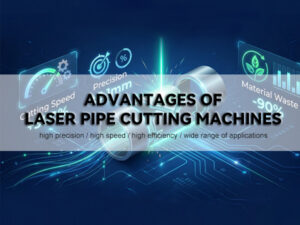
Fiber lasers offer numerous benefits over their CO2 counterparts. They are more energy-efficient, require less maintenance, and have a longer lifespan. Additionally, fiber lasers provide higher cutting speeds and can cut through a variety of materials, including reflective metals like aluminum and brass. This makes them ideal for modern manufacturing processes that demand speed and versatility.
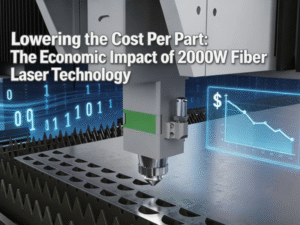
The energy efficiency of fiber lasers is one of their most compelling advantages. They consume less power while delivering more robust performance, which translates to lower operational costs and reduced environmental impact. This positions fiber lasers as a sustainable choice in an era focused on energy conservation.
Moreover, the versatility of fiber lasers extends beyond cutting capabilities. They are also adept at engraving, marking, and welding various materials, making them a multifunctional tool in any manufacturing setup. This flexibility allows manufacturers to streamline operations and reduce the need for multiple machines.
Applications in Metal Cutting
Fiber laser cutters, such as the CNC fibre laser 1500W sheet cutting machine, are increasingly being used in industries ranging from automotive to aerospace. These machines can easily handle complex geometries and intricate designs, making them perfect for producing high-quality parts and components.
In the automotive sector, fiber lasers play a crucial role in the production of car bodies and components. Their precision ensures that each part fits perfectly, improving the overall quality and performance of the vehicle. Similarly, in aerospace, the ability to cut lightweight yet durable materials is essential for manufacturing components that withstand the rigors of flight.
The medical device industry also benefits from fiber laser technology. The precision and cleanliness of laser cuts are crucial for creating intricate medical instruments and implants. This precision ensures that devices meet stringent safety and performance standards, ultimately leading to better patient outcomes.
Future Innovations in Fiber Lasers
As fiber laser technology evolves, we can expect to see further innovations that enhance their capabilities. New developments may focus on increasing the power output of fiber lasers, allowing them to tackle even thicker materials with ease. Additionally, advancements in beam quality and control could lead to even finer and more precise cuts.
Research into new doping materials for fiber optics could also open up new possibilities for fiber lasers. By experimenting with different rare-earth elements, scientists may discover ways to improve the efficiency and performance of these lasers, broadening their range of applications. Furthermore, integrating smart technology could enable real-time monitoring and adjustments, optimizing the cutting process for various materials and designs.
Enhanced Precision and Quality
Precision is paramount in laser cutting, and recent advancements in technology are making it possible to achieve even higher levels of accuracy and quality. From enhanced beam quality to improved focusing mechanisms, these innovations are setting new standards in the industry.
Beam Quality and Control
The quality of a laser beam significantly impacts the cutting process. Recent developments in beam control technology allow for more precise adjustments, resulting in cleaner cuts and smoother edges. This is particularly important when working with delicate materials or intricate designs.
Advanced beam shaping techniques are enabling manufacturers to tailor the laser beam to specific applications. By manipulating the beam’s intensity profile, it’s possible to achieve uniform energy distribution across the cutting area, minimizing the risk of defects. This level of control is crucial for applications where precision and consistency are paramount.
Additionally, innovations in adaptive optics are enhancing beam quality. These systems automatically adjust the laser beam to compensate for any distortions or irregularities, ensuring optimal performance. This technology is particularly beneficial when working with materials that require high precision, such as semiconductors and microelectronics.
Improved Focusing Mechanisms
Innovations in focusing mechanisms are also contributing to enhanced precision in laser cutting. Advanced lenses and mirrors allow for better control over the laser beam, enabling manufacturers to achieve finer details and more intricate patterns.
The development of variable focal length lenses is a key advancement in focusing technology. These lenses can adjust the focus of the laser beam dynamically, allowing for precise cuts at varying depths. This capability is particularly useful for cutting materials of different thicknesses or creating multi-layered designs.
Moreover, the use of high-performance mirrors in laser systems is improving beam delivery. These mirrors offer superior reflectivity and durability, reducing energy loss and maintaining beam quality. As a result, manufacturers can achieve more consistent and accurate cuts, even in challenging conditions.
Innovations in Quality Assurance
As laser cutting technology advances, so too do the methods for ensuring quality. Automated quality assurance systems are now capable of inspecting laser-cut components in real-time, identifying any defects or deviations from specifications. This level of scrutiny is essential for industries where precision and reliability are critical, such as aerospace and medical devices.
The use of machine vision systems in quality assurance is also on the rise. These systems employ cameras and sensors to capture detailed images of laser-cut parts, which are then analyzed by AI algorithms. This process allows for rapid identification of any imperfections, enabling manufacturers to address issues promptly and maintain high standards of quality.
Sustainable Practices in Laser Cutting
As industries become more environmentally conscious, sustainable practices in laser cutting are gaining prominence. From energy-efficient machines to eco-friendly materials, sustainability is becoming a core consideration in the development of laser cutting technology.
Energy Efficiency
Modern laser cutting machines are designed with energy efficiency in mind. Fiber lasers, in particular, consume less power than traditional CO2 lasers, reducing the overall energy footprint of the cutting process. This not only benefits the environment but also translates to cost savings for manufacturers.
The drive for energy efficiency is leading to the development of new technologies and materials that further reduce energy consumption. For example, advanced cooling systems are being integrated into laser machines to minimize heat generation and improve performance. These systems help maintain optimal operating temperatures, reducing energy waste and extending the lifespan of the equipment.
Additionally, energy recovery systems are being implemented to capture and reuse waste energy generated during the cutting process. This approach not only enhances the efficiency of laser machines but also aligns with broader sustainability goals by minimizing resource usage.
Eco-Friendly Materials
In addition to energy-efficient machines, the use of eco-friendly materials is becoming more common in laser cutting. Manufacturers are increasingly opting for recyclable metals and sustainable materials, aligning with broader industry trends towards sustainability.
The adoption of biodegradable and renewable materials in laser cutting is gaining traction. These materials offer comparable performance to traditional options while reducing environmental impact. For instance, bio-based polymers are being used in applications where conventional plastics would typically be employed, offering a more sustainable alternative.
Moreover, efforts to improve the recyclability of laser-cut components are underway. By designing products with end-of-life considerations in mind, manufacturers can facilitate easier recycling and reduce waste. This approach not only supports environmental goals but also opens up new business opportunities in the growing circular economy.
Corporate Responsibility and Innovation
Sustainability is increasingly becoming a core component of corporate responsibility. Companies are investing in research and development to create more sustainable laser cutting technologies and processes. By prioritizing sustainability, manufacturers can enhance their brand reputation and meet the growing demand for environmentally friendly products.
Innovation in sustainability extends to the entire supply chain, with companies collaborating with suppliers to ensure that materials and components meet stringent environmental standards. This holistic approach ensures that sustainability is embedded at every stage of the manufacturing process, from raw material sourcing to final product delivery.
The Future of Metal Cutting
The future of laser cutting technology is bright, with numerous advancements on the horizon. From the continued development of fiber lasers to the integration of cutting-edge software, the industry is poised for significant growth and innovation.
Emerging Technologies
Emerging technologies, such as hybrid laser systems and advanced cooling techniques, are set to further enhance the capabilities of laser cutting machines. These innovations will enable manufacturers to tackle even more complex projects with greater efficiency and precision.
Hybrid laser systems, which combine different types of lasers, offer the potential for unprecedented versatility. By leveraging the strengths of each laser type, these systems can address a wider range of materials and applications. This capability is particularly valuable in industries that require diverse cutting techniques, such as automotive and aerospace.
Advanced cooling techniques are also set to transform laser cutting. By improving heat management, these techniques enhance machine performance and reduce wear and tear. This not only extends the lifespan of laser cutting equipment but also ensures consistent quality and reliability in production.
Expanding Applications
As laser cutting technology continues to evolve, its applications are expanding beyond traditional manufacturing. Industries such as healthcare, fashion, and art are increasingly utilizing laser cutting for a variety of purposes, from medical device production to intricate design work.
In healthcare, laser cutting is revolutionizing the production of medical devices and implants. The precision and cleanliness of laser cuts are ideal for creating components that meet stringent regulatory standards. This technology is also being used to develop new surgical instruments and techniques, improving patient outcomes and advancing medical science.
The fashion industry is embracing laser cutting for its ability to create intricate patterns and designs on fabrics and materials. This technology allows designers to push the boundaries of creativity, producing unique and customizable garments that stand out in the market. Similarly, artists are using laser cutting to create complex sculptures and installations, exploring new forms of expression and innovation.
Global Impact and Collaboration
The global impact of laser cutting technology is significant, with countries around the world investing in research and development to harness its potential. Collaborative efforts between industry, academia, and government are driving innovation and ensuring that laser cutting remains at the forefront of technological advancement.
International partnerships are fostering knowledge exchange and facilitating the development of standardized practices and regulations. This collaboration is essential for ensuring that laser cutting technology is safe, reliable, and accessible to industries worldwide. By working together, stakeholders can address common challenges and unlock new opportunities for growth and innovation.
Conclusion
Laser cutting technology is an ever-evolving field, with new trends and innovations continuously reshaping the industry. From the rise of fiber lasers to the integration of automation and AI, these advancements are driving greater efficiency, precision, and sustainability in manufacturing. As we look to the future, it’s clear that laser cutting will continue to play a pivotal role in the evolution of modern industry.
By staying informed about these trends and embracing new technologies, manufacturers can ensure they remain competitive in an increasingly dynamic market. Whether you’re using a CNC laser metal cut machine or exploring new applications for laser cutting, the future holds exciting possibilities for those willing to adapt and innovate.
The continued advancement of laser cutting technology promises to revolutionize manufacturing processes, enhance product quality, and reduce environmental impact. By leveraging these innovations, manufacturers can achieve new levels of efficiency and productivity, ultimately driving growth and success in a rapidly changing world.